
Filters

Whitewater-melat

1 product

Showing 1 - 1 of 1 product

Showing 1 - 1 of 1 product
View
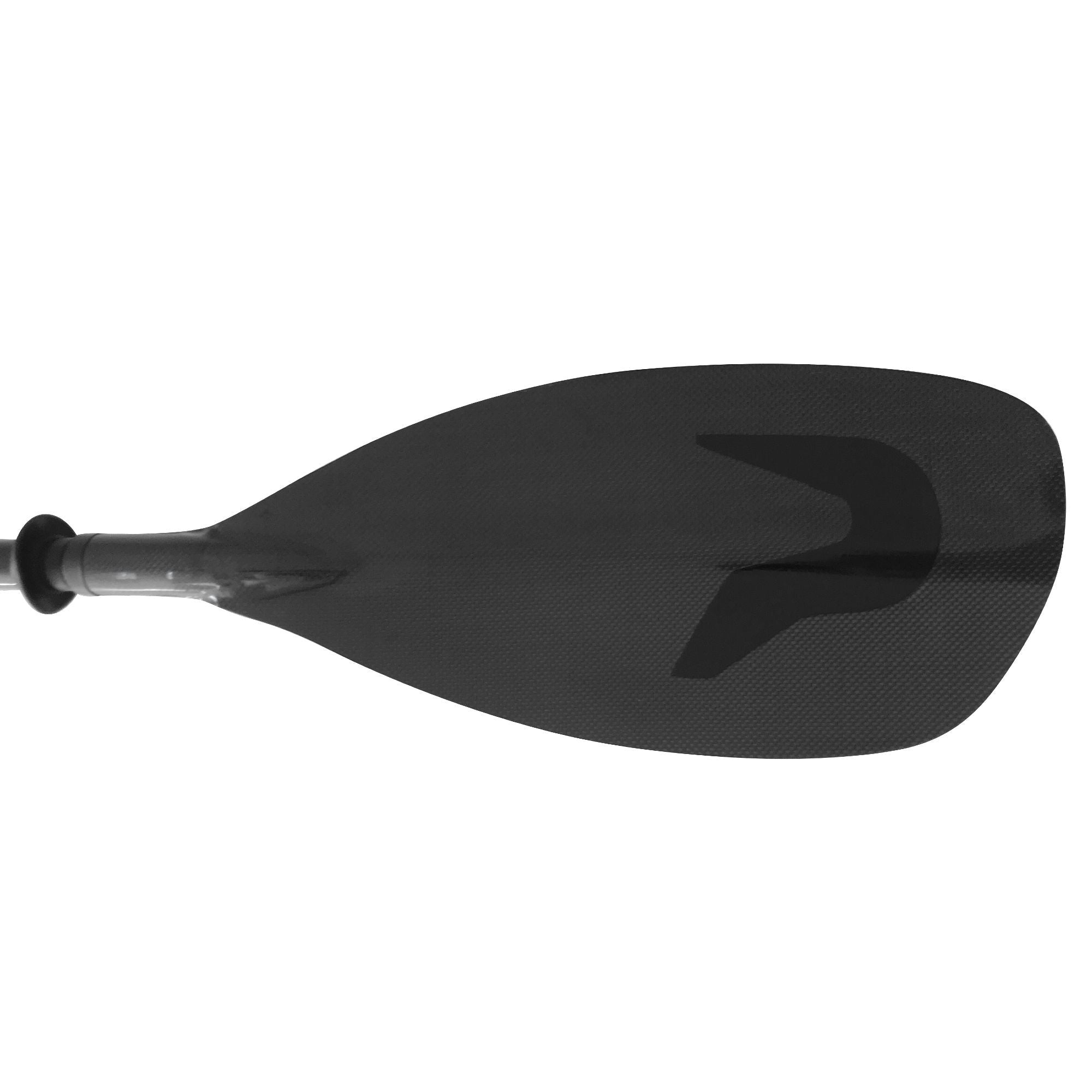
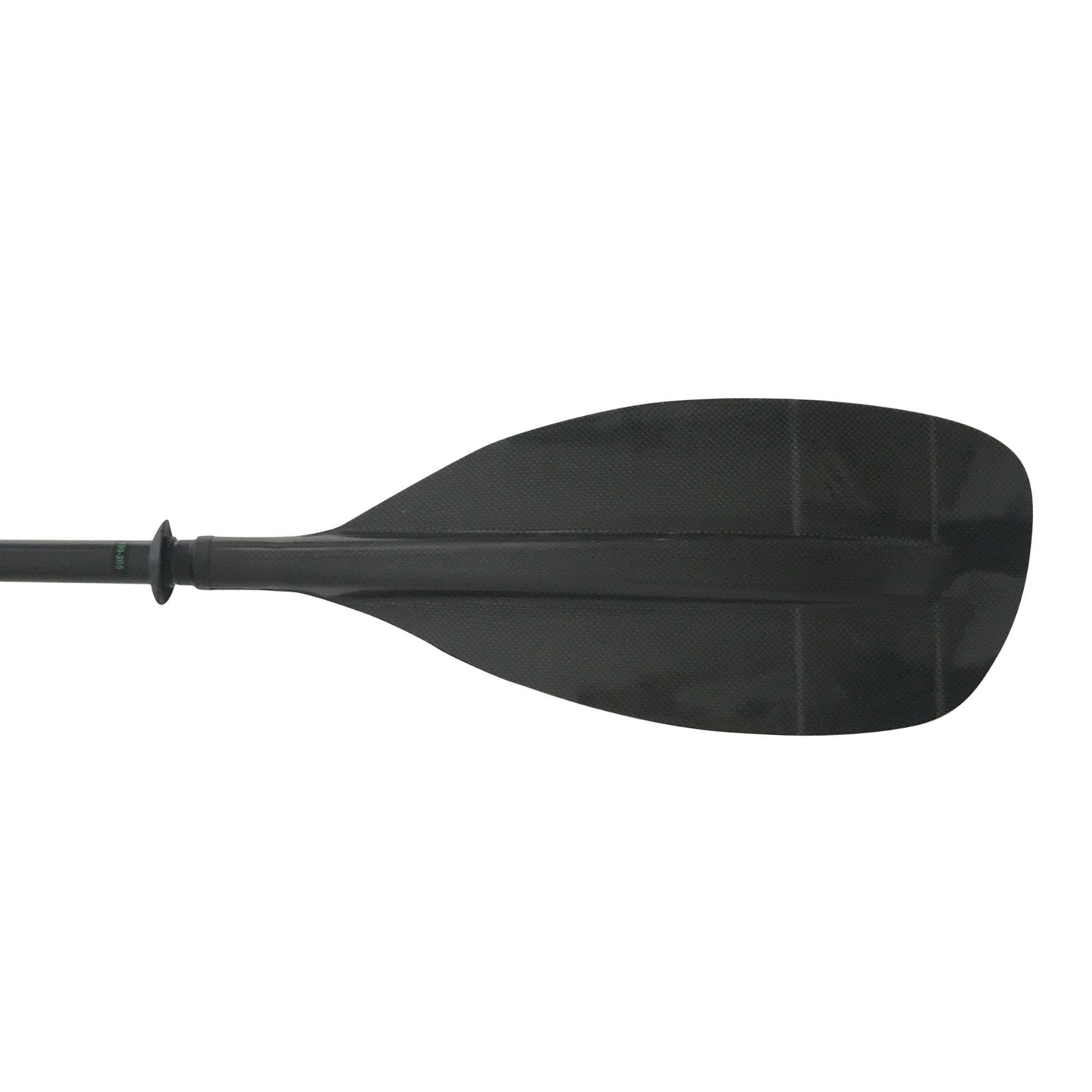
Paddlespot Colorado Koskimela, hiilikuituPaddlespot Colorado Koskimela, hiilikuitu
Paddlespot Paddlespot Colorado Koskimela, hiilikuitu
Alennettu hinta€260,95 EUR
In stock

Tietoa kategoriasta Whitewater-melat

For most whitewater paddlers, blade size comes down to how you like to accelerate and how long you spend on the river. A larger blade gives strong, quick power for creeking and boofs but can tire your shoulders on long days. A smaller blade feels smoother and easier to control in continuous water, especially if you have a higher cadence style. If you’re unsure, choose the size that lets you paddle relaxed and maintain clean strokes without strain.

A whitewater paddle shaft should feel firm enough to give you precise control, but not so rigid that it sends every shock straight into your elbows. Most paddlers prefer a medium‑stiff shaft that holds its shape during powerful strokes while still offering a bit of flex in boily water. If the shaft feels harsh or fatiguing after a short session, it’s likely too stiff; if it feels vague or twists under load, it’s too soft. Aim for a balance that lets you brace, draw, and accelerate with confidence and comfort.

For tight river features, a shorter paddle length gives you quicker strokes and better control when the water gets pushy. Most paddlers size down a few centimeters from their usual river paddle to keep their cadence high and avoid catching the blade on rocks or narrow slots. Go just short enough to stay reactive without feeling cramped, and trust what matches your torso length and stroke style.

A blade’s shape changes how the paddle behaves when the water gets confused. A larger, more pronounced spooned blade catches quickly and gives strong corrective strokes, which helps steady the kayak when waves push you off line. Flatter, longer blades feel smoother and more predictable, making bracing and draw strokes easier to control. The key is choosing a shape that feels stable in your hands when the sea starts moving.

For most paddlers, a paddle around 700–900 grams feels comfortable on long sessions. The right weight depends on your technique and cadence, but the main goal is to reduce fatigue without giving up control. A lighter paddle is easier on the shoulders during steady touring, while a slightly heavier, well-balanced blade can feel more predictable in rougher water. Focus on how the paddle feels through the stroke rather than the number alone—smooth, repeatable movement is what keeps you going hour after hour.

Store your whitewater paddle somewhere dry, cool, and out of direct sun so the shaft and blades aren’t stressed between trips. Rinse off grit after each session and let it fully air‑dry before putting it away. Keep it lying flat or standing upright with no weight on the blades to avoid warping. If it’s a split paddle, separate the halves and make sure the ferrule is clean so it won’t seize up. A little care after each outing keeps the paddle feeling solid and predictable the next time you head for moving water.

After a river run, rinse the paddle and look closely along the blades and shaft for cracks, soft spots, or edges that feel sharper than usual. Flex the blades gently to make sure nothing creaks or moves. Check the ferrule for grit so it still locks smoothly. If anything feels loose, splintered, or unusually rough, retire it for the day and inspect it again at home.

For cold water, the most reliable setup is a waterproof, breathable outer layer paired with insulating fabrics that stay warm when damp. A drysuit with a membrane shell keeps water out, while merino wool or thin synthetic fleece helps your body hold heat without feeling bulky. Prioritize a close, comfortable fit at the neck, wrists, and ankles so the system works as intended and you can move freely on the water.

Rinse your paddle after every trip, especially if you’ve been in saltwater or sandy shallows. Grit works its way into the ferrule and along the shaft, and over time that can wear the finish or make the joint feel rough. A quick rinse with fresh water and a moment to let it dry is usually enough. If the shaft starts to feel sticky or dull, wipe it with a mild soap solution and rinse again. Regular light cleaning keeps the shaft smooth, protects the materials, and helps your paddle last longer.

For technical moves, a relaxed but locked-in control grip gives the best support. Keep your hands light on the shaft, with your knuckles aligned and wrists neutral so the paddle can rotate naturally without straining your joints. The power comes from your torso, not your fingers, so aim for contact that guides rather than squeezes. This grip keeps your strokes precise, protects your forearms, and helps you react smoothly when the water gets lively.

Toimitus, palautukset ja tuki

Suurin osa tilauksista saapuu 2–5 arkipäivän kuluessa sijainnistasi riippuen. Saat seurantatunnuksen heti, kun tilauksesi on lähetetty.

Käytämme luotettavia kuljetuspalveluja, kuten DHL, UPS, Bring ja Posti, varmistaaksemme nopean ja turvallisen toimituksen kaikkialle Eurooppaan.

Voit palauttaa tilauksesi 30 päivän kuluessa sen vastaanottamisesta. Tuotteiden on oltava käyttämättömiä ja alkuperäisessä pakkauksessaan. Lue täydelliset palautusehtomme täältä.

Ei — kaikki tilaukset EU:n sisällä toimitetaan varastoistamme Ruotsissa tai Saksassa. Tilausten hintaan ei lisätä ylimääräisiä veroja tai maksuja.

Voit ottaa meihin yhteyttä milloin tahansa sähköpostitse osoitteeseen info@paddlespot.eu tai puhelimitse numeroon +45 32 67 09 40. Autamme mielellämme tuote-ehdotuksissa, toimitustiedoissa tai palautuksissa.

Kyllä — kaikki tuotteet, joissa lukee “Varastossa”, ovat heti saatavilla ja valmiina toimitettavaksi. Jos tuote on loppunut, voit tilata ilmoituksen, kun se on taas varastossa.

Asiakaspalvelu

+45 32 67 09 40

Lähetä viesti

info@paddlespot.fi